Give your windows more comfort, privacy, and protection without replacing the glass. Our residential window film solutions are fitted to your home’s layout and installed by a local team that knows San Antonio’s climate and building styles.
Preview decorative patterns, privacy levels, and security film options on your windows before making a final decision.
Product Options
3M Prestige Series
3M Ultra Security Series
3M Night Vision Series
3M Affinity Series
Window Tint Visualizer
Understanding Residential Window Film for Home Comfort and Style
Residential window film is a thin, durable layer applied directly to your home’s existing glass. It is used to add privacy, reinforce glass against impact, or introduce a design element without any structural changes to the window itself.
Homeowners choose film for different reasons depending on the room. Decorative film is common in bathrooms, entryways, and home offices where privacy is wanted but natural light still needs to come through. Security film is often applied to ground-floor windows and sliding doors, areas that see the most foot traffic and the most risk. Custom graphics are typically chosen for a specific design goal, such as a house number, a pattern, or a personal touch on glass near an entrance.
Each film type serves a distinct purpose. The right choice depends on which room is being treated and whether the homeowner wants privacy, protection, or a design upgrade.
How Residential Window Film Installation Works
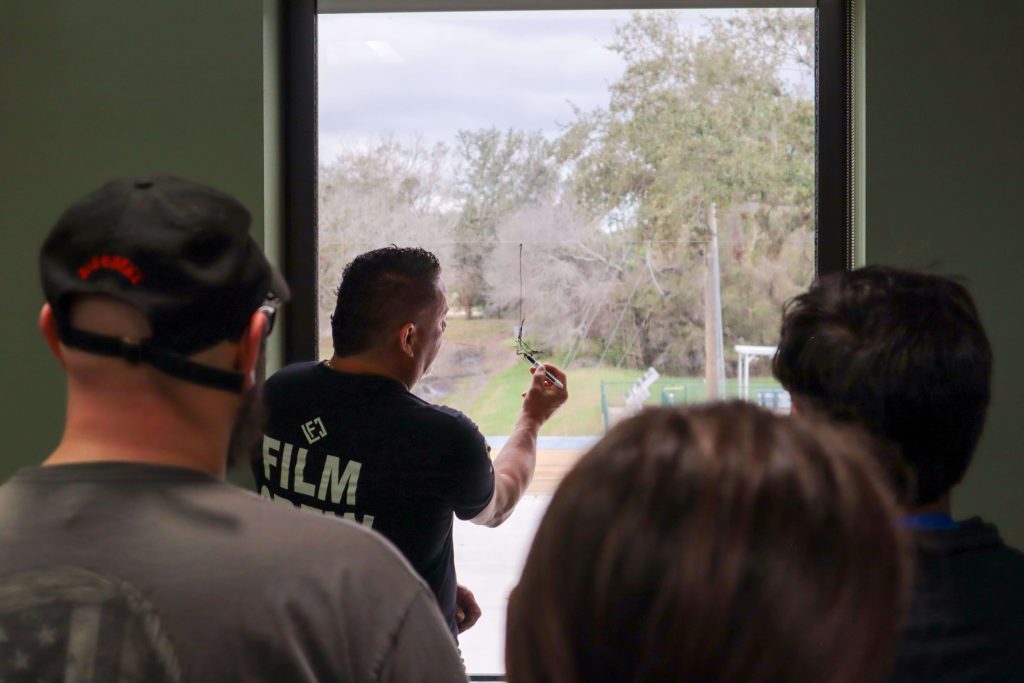
Installation starts with a walkthrough of the home to inspect each window, note the condition of the glass, and discuss the homeowner’s preferences for each room. This helps determine which film type fits which window.
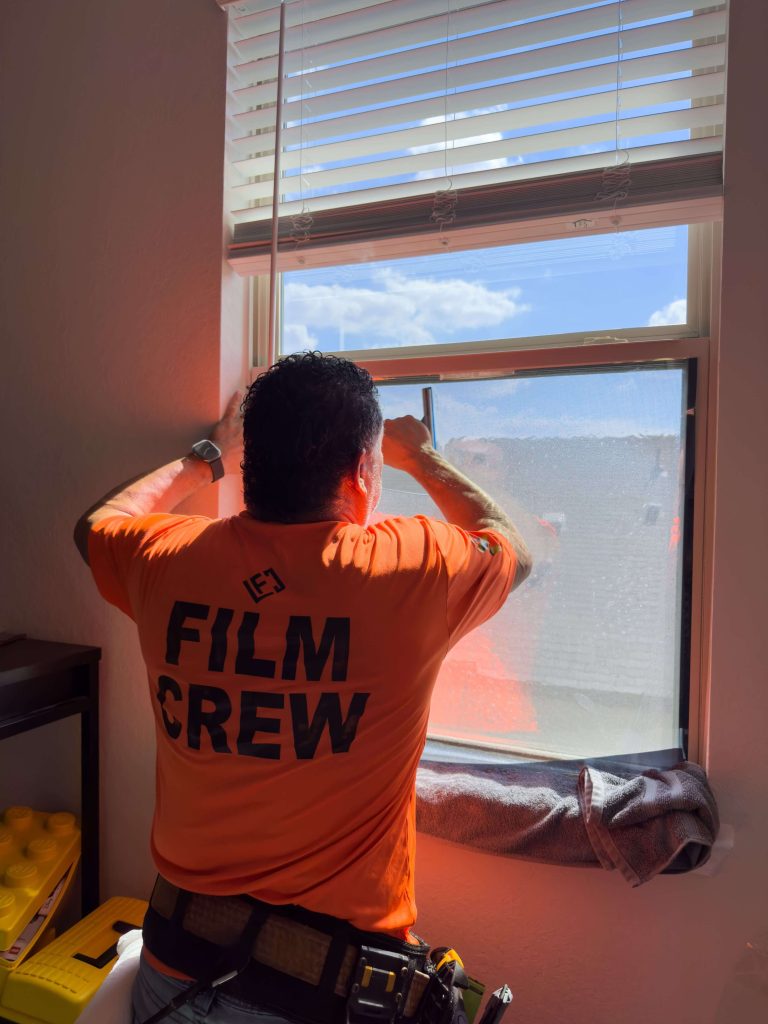
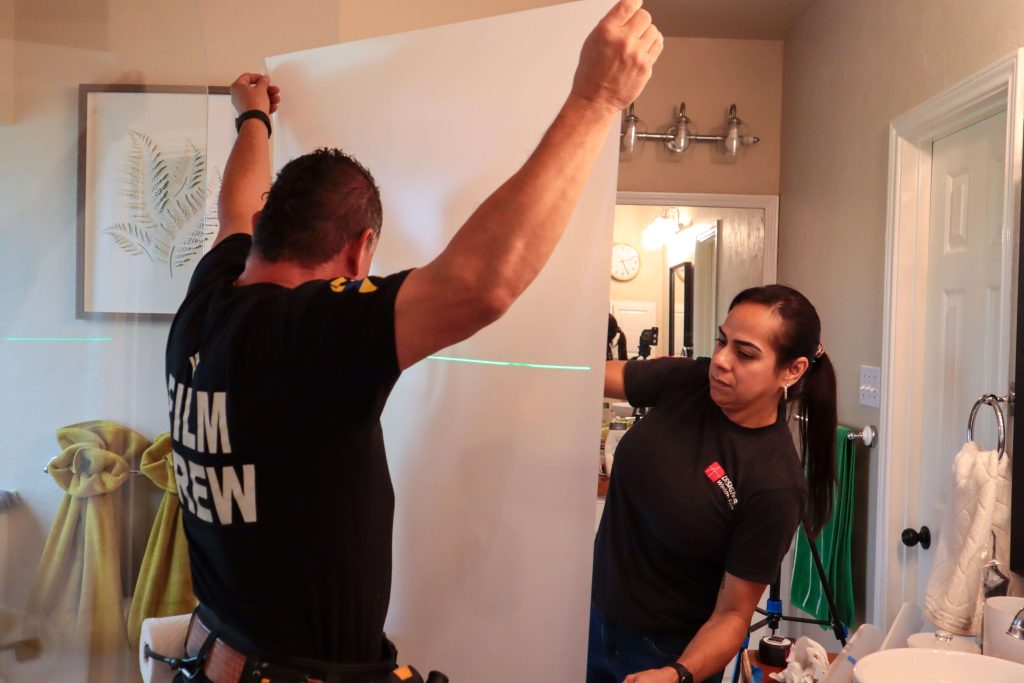
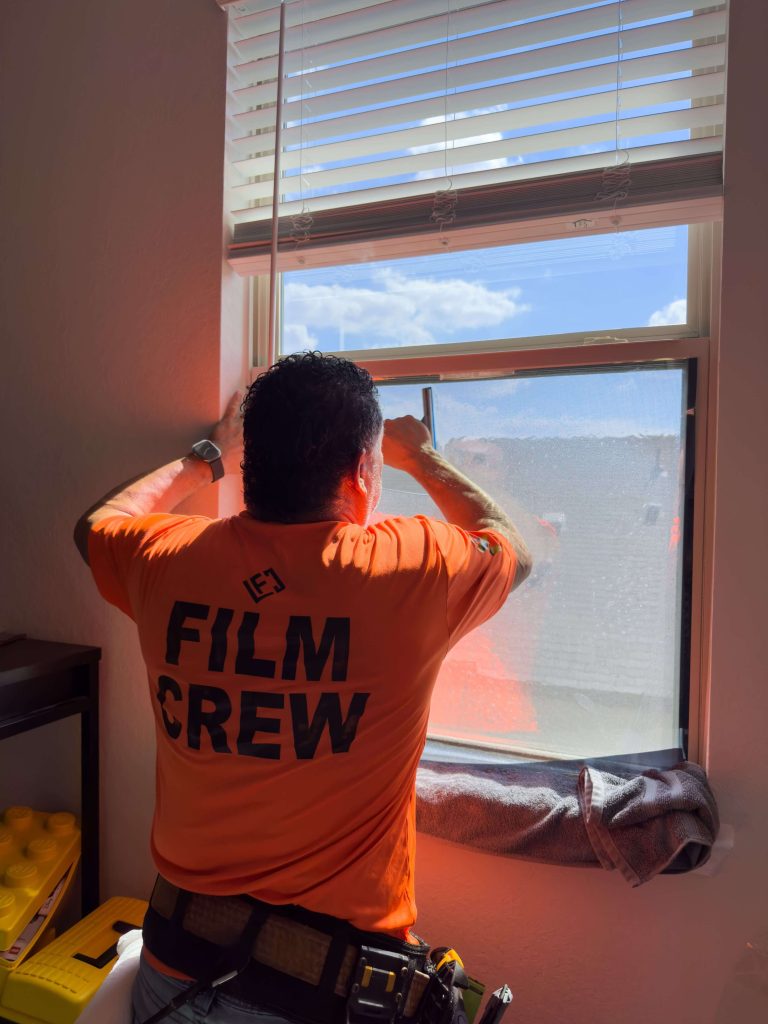
Once the film and pattern are selected, the glass is cleaned and prepped so the film adheres evenly and without trapped debris. A trained installer then applies the film by hand, working it into corners and edges for a clean, bubble-free finish.
Most residential jobs are completed in a single visit, with minimal disruption to the household. Homeowners can typically use the room again shortly after the film is set, once any remaining moisture has fully cured.
Long-Term Benefits of Window Film for San Antonio Homes
Film applied to existing glass adds a layer of durability that helps the window perform better over time. In a security-focused film, this means the glass is more likely to remain intact upon impact rather than shatter outward.
It also protects what is inside the home. Films with UV-blocking properties help slow the fading of furniture, flooring, and artwork near a sunny window. Prolonged UV exposure is one of the main causes of that fading.
Decorative and custom film options also give homeowners the flexibility that paint or permanent glass changes do not. A pattern or graphic can be updated or removed later if the room’s use changes, which makes film a lower-commitment way to refresh a space.
What Affects the Cost of Residential Window Film
Cost depends mainly on the number of windows involved and their total square footage, since larger openings need more material and more labor hours. Film choice is the other big factor. Decorative patterns, security-grade film, and custom graphics each carry different material and labor costs.
Window accessibility also plays a role. A second-story window or an oddly shaped pane can take longer to prep and finish than a standard ground-floor window. Because every home’s window count and layout differ, a walkthrough is the most reliable way to get an accurate number.
Our Process
In-Home Assessment
We look at your windows, discuss goals room by room, and note any access or glass conditions that affect the plan.
Personalized Estimate
You get a clear breakdown of film type, coverage, and cost before any work is scheduled.
Professional Install
Our team completes the work efficiently, with care taken to protect surrounding surfaces and furniture.
Common Questions About Residential Window Film in San Antonio
How much does residential window film cost in San Antonio?
Cost depends on the number of windows, the film type chosen, and the accessibility of each window. Homes in San Antonio’s newer suburban developments often have more window area than older homes near downtown, so a walkthrough gives the most accurate figure for your specific house.
Will window film change how my windows look from the outside?
Certain films are barely noticeable once installed, while decorative and patterned styles are meant to stand out and add a visual element to the glass.
Does window film completely prevent a break-in?
No single product can guarantee that. Security film reinforces the glass and slows entry, which gives occupants more time to respond.
Can window film be removed or replaced later?
Yes. Film can be removed or replaced with a different pattern or type if the room’s use or your preferences change.
How long does residential window film last in San Antonio's climate?
Lifespan depends on the type of film and how much direct sunlight a window gets. San Antonio’s long, hot summers put extra UV exposure on south and west-facing windows, so those sides of the home tend to see more wear over time.
Will the installation disrupt my household?
Most residential installations are completed in a single visit with minimal disruption, and rooms can typically be used again shortly after the film cures.
Get a Free Quote for Residential Window Film in San Antonio
Get professional recommendations and reliable installation tailored to your commercial property.